Risk Management Framework
The risk management framework of the Company includes the following components:
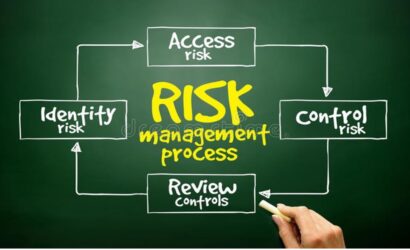
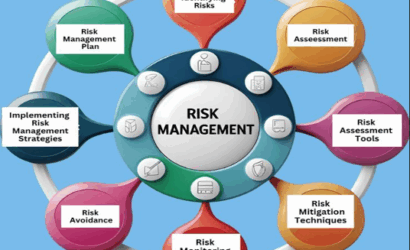
Risk Identification: Recognize and understand all material risks, including those arising from new business initiatives. This includes identifying inherent risks in each activity or business line and relevant activities for each type of risk and ongoing identification of all significant risks including credit, market, liquidity, operational, legal, and reputational risks across all business lines.
Risk Assessment:Use qualitative and quantitative methods to assess the likelihood and impact of risks. Prioritize risks based on their potential impact on the company.
Risk Measurement: Use appropriate techniques to measure risks accurately and timely, determining their potential impact on the company’s financial position. Regular testing of risk measurement tools is essential.
Risk Monitoring: Establish management information systems to monitor risk positions and exceptions, ensuring timely review and action. Monitoring reports should be frequent, accurate, and informative. Establish key risk indicators (KRIs) and regularly review them to monitor risk levels. Conduct periodic risk assessments and audits.
Risk Control: Implement appropriate controls over risk, including limits and tools for mitigating risk. Maintain policies and procedures that define responsibilities and authorities for risk management.
Risk Appetite: The Board will annually review and approve the risk appetite framework, aligned with strategic goals.
Risk Reporting:Prepare regular risk management reports for the Board of Directors, including updates on key risks, mitigation efforts, and emerging risks.
Stress Testing: Regular stress tests should be performed to ensure the company’s resilience to severe but plausible economic scenarios.